Coming Home to Fluoridated Water: A Guide for Returning Queenslanders and Australian Expats
There is something quietly disorienting about moving back to a place you once called home. The familiar streets, the climate, the coffee — and, less visibly, the water. For Queenslanders returning from stints overseas, whether for work, family, or adventure, the question of fluoridated tap water sometimes surfaces in unexpected ways. Perhaps a friend abroad told you their country doesn't fluoridate. Perhaps you spent years drinking bottled water in a region where the tap supply was unreliable. Whatever your experience, arriving back in Queensland raises a reasonable question: what exactly is in the water, and should I be concerned?
This article is written specifically for those navigating that re-entry — people who have lived outside Australia for months or years and are now reconnecting with Queensland's public water supply.
How Queensland's Fluoridation Compares to Global Standards
Queensland's water fluoridation program operates under guidelines set by the National Health and Medical Research Council (NHMRC), which recommends a fluoride concentration of approximately 0.6 to 1.1 milligrams per litre (mg/L) depending on the region. This range is consistent with the approach taken by countries including the United States, Canada, Ireland, and New Zealand — all of which maintain active community water fluoridation programs.
However, a significant portion of the world does not fluoridate its water supply. Much of continental Europe, for example, relies on fluoridated salt or fluoride toothpaste as the primary delivery mechanism for preventive fluoride exposure. Countries such as Germany, France, and the Netherlands have not pursued community water fluoridation, largely for historical and political reasons rather than safety concerns. Japan, South Korea, and most of Southeast Asia similarly do not fluoridate municipal water.
For Queenslanders returning from these regions, the shift back to a fluoridated supply is unlikely to represent any physiological challenge. The concentrations used in Queensland are well within internationally recognised safe thresholds, and the human body does not accumulate fluoride at these levels in a way that poses health risks for otherwise healthy adults.
What Your Body Experiences During the Transition
One of the most common concerns among returning residents is whether their bodies have somehow "lost tolerance" to fluoride after years without it. This concern, while understandable, does not reflect how fluoride metabolism works.
Fluoride is processed by the kidneys and excreted through urine. At the concentrations present in Queensland's water supply, there is no meaningful accumulation in soft tissue. The body does not build up a dependency on fluoride, nor does it become sensitised to its absence in a way that would make re-exposure problematic. Returning to fluoridated water after years abroad is, from a physiological standpoint, unremarkable.
The Australian Dental Association and the NHMRC have both reviewed extensive bodies of research and concluded that water fluoridated at recommended levels poses no adverse health effects for the general population. This includes people returning from non-fluoridating countries.
Practical Considerations for Returnees with Young Children
For expat families moving back to Queensland with children who have grown up in non-fluoridating countries, the transition warrants a slightly different conversation. Children who have had limited fluoride exposure may have a higher rate of dental decay than their Queensland-raised peers — not because of anything their parents did wrong, but simply because preventive fluoride exposure through the water supply was not available to them.
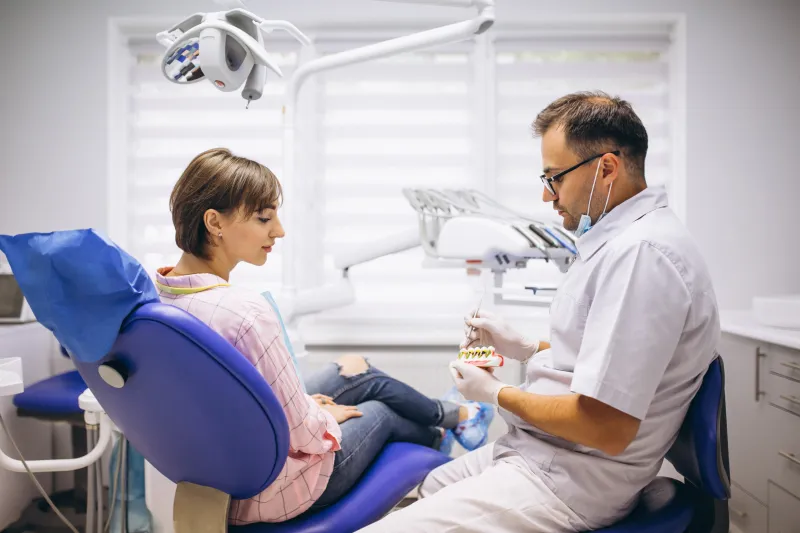
If you have returned to Queensland with children under the age of eight, it is worth scheduling an appointment with a Queensland-registered dentist or dental therapist to assess your child's current dental health. They can advise on whether any additional preventive measures are appropriate, such as fluoride varnish applications or a review of your child's toothbrushing routine.
Conversely, families returning from countries with naturally high fluoride levels in groundwater — parts of India, East Africa, and China, for example — may find that Queensland's regulated supply is actually lower in fluoride than what their children were previously exposed to. Australia's treatment systems are designed to maintain fluoride within a carefully controlled band, which provides a level of consistency that naturally occurring sources cannot guarantee.
Addressing Common Concerns from the Expat Community
Online expat communities and social media groups frequently circulate concerns about water fluoridation that do not reflect the weight of scientific evidence. A few of the most common ones deserve direct attention.
"European countries don't fluoridate, so it must be unsafe." This is a misreading of European policy. The absence of water fluoridation in many European nations reflects differing public health delivery strategies and historical policy decisions, not safety concerns. The European Commission's Scientific Committee on Health and Environmental Risks has not identified water fluoridation at recommended levels as a health hazard.
"I felt healthier drinking non-fluoridated water abroad." Wellbeing is influenced by an enormous range of factors — diet, activity, stress, climate, and healthcare access among them. Attributing a perceived change in health to the presence or absence of fluoride in tap water, without controlling for these variables, is not a reliable method of assessment.
"Can I request non-fluoridated water from my local council?" Queensland councils administer fluoridation in accordance with state government policy under the Fluoridation of Public Water Supplies Act 2008. Individual exemptions are not available through the council system. Residents who prefer not to consume fluoridated tap water may choose to use a reverse osmosis filter or purchase bottled water, though neither is recommended as a health necessity by any Queensland or national health authority.
Settling Back In: A Measured Approach
For the vast majority of returning Queenslanders and expats, re-engaging with the local fluoridated water supply requires no special action. Drinking tap water, brushing teeth twice daily with fluoride toothpaste, and attending regular dental check-ups remains the standard preventive health advice for all Queensland residents, regardless of where they have lived previously.
If you have specific concerns related to a pre-existing medical condition — such as kidney disease, which can affect fluoride excretion — it is appropriate to raise these with your general practitioner. For the broader population, the evidence consistently supports Queensland's fluoridation program as a safe, effective, and equitable public health measure.
Coming home means reconnecting with many things. The water is one of the quieter ones — and, on the evidence, one of the less worrying.