Navigating Fluoride During Pregnancy and Early Motherhood in Queensland
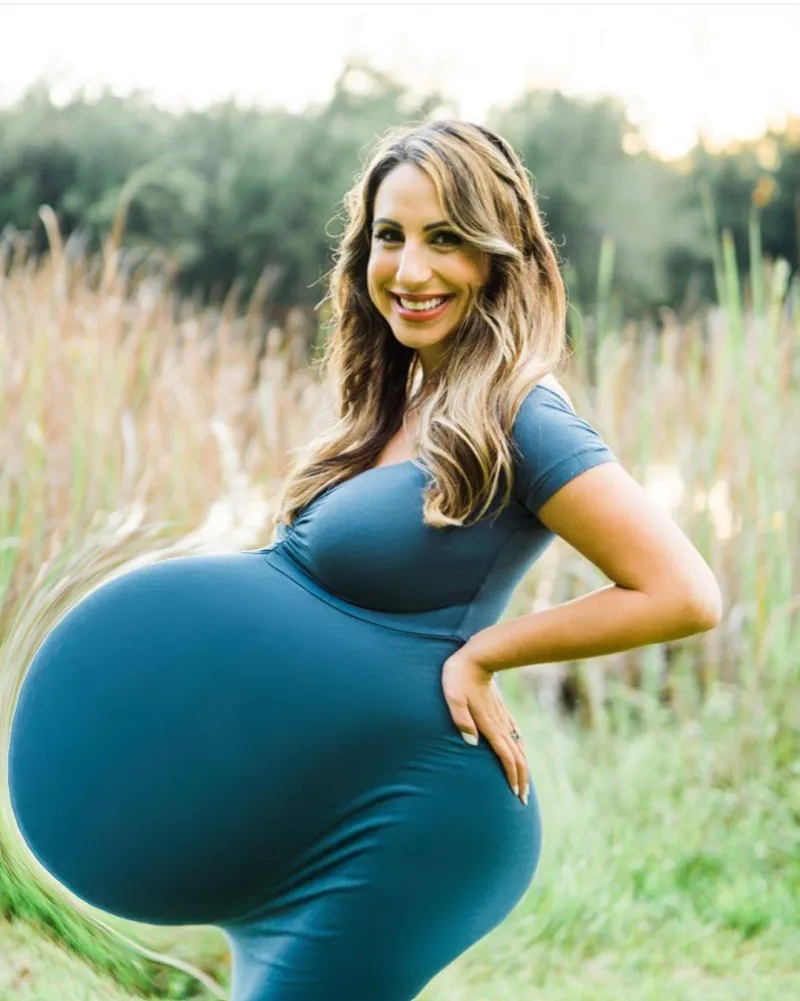
Photo: pregnant woman drinking glass of water at home Australia, via images-wixmp-ed30a86b8c4ca887773594c2.wixmp.com
Pregnancy is a period of heightened scrutiny. Queensland women navigating those nine months — and the months that follow — are accustomed to reassessing everything from the food on their plate to the products in their bathroom cabinet. It is entirely reasonable, then, that questions about drinking water and fluoride should arise during this time.
This guide is designed to provide clear, evidence-based information for expectant and new mothers in Queensland, drawing on current research and guidance from Australian health authorities. It does not replace personalised advice from your obstetrician, midwife, or general practitioner — but it should help you arrive at those conversations better informed.
Understanding Queensland's Fluoridated Water Supply
Most Queenslanders connected to a reticulated (town) water supply receive water fluoridated at a concentration of between 0.6 and 0.9 milligrams per litre (mg/L), within the range recommended by the NHMRC. This level is calibrated to deliver a meaningful reduction in dental decay while remaining well below concentrations associated with adverse health effects.
Not all Queensland communities receive fluoridated water. Women living in smaller regional towns, on rural properties, or in areas reliant on rainwater tanks or bore water may have a different fluoride exposure profile entirely — sometimes lower, and in the case of certain bore water sources, potentially higher than the recommended range. If you are uncertain about your local water supply, Queensland Health's water fluoridation monitoring data is publicly accessible, and your local council can confirm the fluoride concentration in your area.
Does Fluoride Affect a Developing Baby?
This is the question most frequently raised by pregnant women, and it deserves a careful answer.
Fluoride does cross the placenta. Research has confirmed that a proportion of the fluoride a pregnant woman consumes reaches the developing foetus. This biological reality has been the subject of ongoing scientific investigation, and it is important to understand what the evidence does — and does not — show.
Studies examining fluoride exposure during pregnancy have produced mixed findings, and some research published in recent years has prompted calls for further investigation into potential neurological effects at higher exposure levels. However, the concentrations involved in those studies frequently exceed those found in Queensland's fluoridated water supply. Australian and international regulatory bodies, including the NHMRC and the World Health Organization, have reviewed the available evidence and continue to support water fluoridation at recommended levels as safe for the general population, including pregnant women.
The key phrase here is "at recommended levels." The scientific debate is not about whether fluoride at one part per million is harmful to a developing baby — the weight of evidence does not support that conclusion — but rather about ensuring ongoing monitoring and research as new studies emerge. Pregnant women drinking Queensland town water are not, on current evidence, exposing their babies to a meaningful risk from fluoride.
Fluoride and the Development of Baby Teeth
A less commonly discussed aspect of prenatal fluoride exposure is its potential relevance to the development of primary (baby) teeth. The teeth that will eventually emerge in your child's first years of life begin forming in utero, with enamel development for some primary teeth commencing as early as the fourth month of pregnancy.
There is some evidence that fluoride consumed during pregnancy may be incorporated into developing tooth enamel, potentially offering modest protective benefits. However, the extent of this effect and its clinical significance remain areas of active research. The more established mechanism for fluoride's protective role operates topically — meaning fluoride in saliva and toothpaste acting directly on erupted teeth — rather than through prenatal exposure.
The practical implication for Queensland mothers is straightforward: continuing to drink fluoridated tap water during pregnancy is consistent with current health guidance and does not require modification based on dental health considerations alone.
Breastfeeding and Infant Fluoride Exposure
Breast milk contains very low concentrations of fluoride — generally between 0.004 and 0.01 mg/L — regardless of the mother's fluoride intake. This means that exclusively breastfed infants receive minimal fluoride through milk, even when the mother is drinking fluoridated water.
This has practical implications for families in fluoridated areas. The Australian Dental Association and the NHMRC advise against fluoride supplementation for infants who are exclusively breastfed in fluoridated communities, as the combination of low fluoride in breast milk and the early stage of tooth development means the risk of dental fluorosis — the cosmetic spotting that can result from excess fluoride during enamel formation — is a relevant consideration.
For families using infant formula, the fluoride concentration of the water used to prepare feeds becomes more relevant. Powdered formula reconstituted with fluoridated tap water will contain fluoride at the concentration of that water. While this remains within safe parameters for occasional use, some paediatric dental guidelines suggest using low-fluoride water (such as unfluoridated tap water, if available, or appropriately labelled bottled water) for formula preparation if fluoridated water is the primary source. This is a nuanced area, and the most appropriate approach depends on your infant's overall fluoride exposure — a conversation worth having with your child health nurse or GP.
Talking With Your Healthcare Team
The challenge for many Queensland women is that fluoride questions don't always fit neatly into a standard antenatal appointment. Obstetricians are focused on foetal development and maternal health in a broad sense; the intersection with water fluoridation policy can feel like a niche tangent.
Nevertheless, raising the topic is worthwhile. A well-informed GP or midwife can contextualise your individual circumstances — including your local water supply, your dietary fluoride intake from other sources such as tea and seafood, and any specific risk factors that might be relevant. If you have concerns that feel unanswered after those conversations, a consultation with a dentist who has experience in maternal or paediatric oral health may be a useful additional step.
Some questions worth preparing before your appointment:
- Does my local water supply contain fluoride, and at what level?
- Given my diet and water source, is my overall fluoride intake within the recommended range?
- When my baby's teeth begin to emerge, what fluoride-related oral hygiene practices are appropriate for their age?
- If I am formula-feeding, what water should I use to prepare feeds?
A Note on Information Sources
Pregnancy is a period when misinformation can cause unnecessary anxiety. Fluoride is a topic that attracts a disproportionate volume of alarmist content online, much of it referencing studies conducted at exposure levels far above those relevant to Queensland's water supply, or misrepresenting the conclusions of legitimate research.
When evaluating claims about fluoride and pregnancy, consider the source. Australian government health bodies, peer-reviewed journals, and professional dental and medical associations apply rigorous standards to their guidance. Websites, social media accounts, or natural health advocates operating outside these frameworks may not.
Queensland women deserve access to accurate, balanced information during one of the most consequential periods of their lives. On the question of fluoride, the current evidence supports drinking fluoridated tap water as safe during pregnancy and breastfeeding — while also acknowledging that science is an evolving conversation, and that personalised advice from a trusted healthcare provider remains the gold standard.