Packing Up and Moving On: What Queensland Families Discover When They Cross the Fluoride Divide

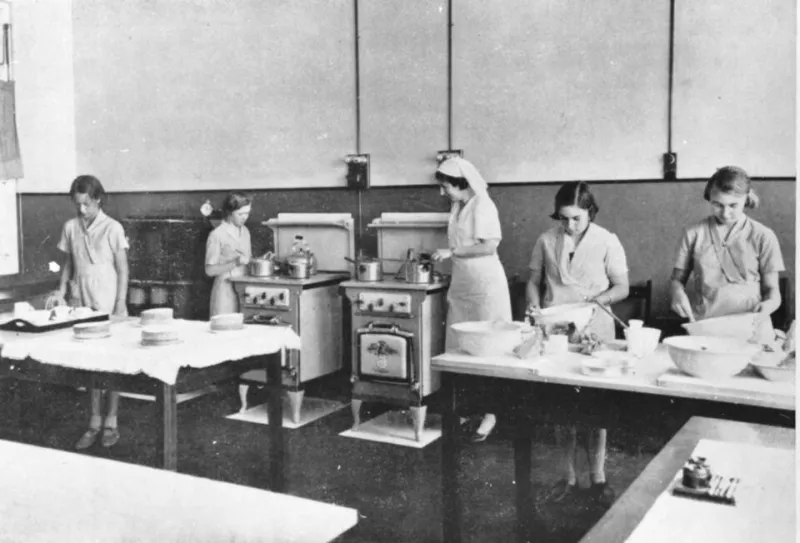
Photo: Rex Hazlewood, Public domain, via Wikimedia Commons
Moving house is stressful enough without worrying about what's coming out of the tap. Yet for thousands of Queensland families who relocate each year — whether chasing work in regional centres, upsizing in outer suburbs, or downsizing to a sea-change town — the fluoridation status of their new water supply is rarely on the checklist. For many, it probably should be.
Queensland's water fluoridation coverage is uneven by national standards. While South East Queensland's reticulated systems have been fluoridated since 2008, large swathes of regional and remote Queensland remain without fluoridated supplies. The result is a patchwork of coverage that families often navigate without realising it until a dentist raises an eyebrow at their child's next check-up.
The Shift Nobody Warned Them About
For families moving from Brisbane or the Sunshine Coast to regional towns like Kingaroy, Charleville, or parts of the Tablelands, the change can be subtle at first. There's no immediate signal from the water itself — it tastes the same, looks the same, and behaves the same in the kettle. The difference only becomes apparent over months or years, and often through a dental appointment.
Conversely, families relocating from rural Queensland into fluoridated urban areas sometimes arrive with existing decay patterns already established in their children's teeth — patterns that fluoridated water alone cannot reverse, though it may help slow future progression.
Dentists working in regional Queensland have noted a recurring pattern: families who move from fluoridated areas to non-fluoridated ones without adjusting their preventive care routines can see a gradual increase in decay rates, particularly in children between the ages of six and twelve whose permanent teeth are still developing. The window of greatest benefit from fluoride exposure — both systemic and topical — is concentrated in the early years, making the timing of a move particularly significant.
What Families Wish They Had Known
Speak with parents who have navigated this transition and a few consistent themes emerge.
First, many wish they had checked the fluoridation status of their new town before signing a lease or settlement contract. This information is publicly available through Queensland Health and most local councils, yet it rarely features in the practical checklists that real estate agents and relocation services provide.
Second, parents often underestimate how much of their children's fluoride exposure was coming passively through the tap — in drinking water, in food cooked with tap water, in the water used to make cordial or formula. When that source is removed, the cumulative reduction in exposure can be meaningful, particularly if dietary fluoride from other sources is also low.
Third, families moving into fluoridated areas from regions without it sometimes arrive with a degree of scepticism about fluoridation that they hadn't previously examined. Exposure to community debates in smaller towns, where opposition to fluoridation can be more vocal, occasionally leaves parents uncertain about whether to filter their new fluoridated supply — an action that, if done using certain reverse osmosis systems, effectively removes the public health benefit they've just gained access to.
What the Evidence Says About Adaptation
There is no formal "adaptation period" in the sense of the body needing time to adjust to fluoridated water. The protective mechanisms are cumulative rather than immediate. Fluoride's primary benefit for children comes through two pathways: systemic incorporation into developing tooth enamel (which occurs before teeth erupt) and topical remineralisation of erupted teeth through saliva and direct contact.
For children who move into fluoridated areas after their primary teeth have already erupted, the systemic benefit is largely historical — it cannot be retroactively applied. However, the ongoing topical benefit of fluoridated water on erupted permanent teeth remains relevant throughout childhood and adolescence.
For families moving in the opposite direction — from fluoridated to non-fluoridated areas — dental professionals generally recommend a proactive review of preventive strategies. This typically involves ensuring children are using fluoride toothpaste consistently and correctly, discussing whether fluoride varnish applications at dental visits are appropriate, and in some cases, considering whether fluoride supplements are warranted. The decision on supplements should always involve a dental professional, as excess fluoride intake during tooth development can cause its own complications.
Practical Steps Before and After the Move
For families preparing to relocate within Queensland, the following steps are worth considering well before moving day.
Before the move:
- Check the fluoridation status of your destination's water supply via Queensland Health's fluoridation map or by contacting the local council directly.
- Schedule a dental check-up for all children before leaving, particularly if moving to a non-fluoridated area. Establishing a baseline and getting professional advice on any preventive adjustments is far easier to do with your existing dentist than scrambling to find a new one after the move.
- If you have children under six, discuss with your dentist or GP whether the change in fluoride exposure warrants any adjustment to your current prevention approach.
After the move:
- Register with a local dentist promptly, rather than waiting until a problem arises. In some regional Queensland towns, dental appointment availability can be limited, and early registration ensures continuity of care.
- If moving to a non-fluoridated area, confirm that all household members are using fluoride toothpaste twice daily. For young children, the appropriate amount is a smear (under 18 months) or a pea-sized amount (18 months to six years), with adult supervision.
- Avoid the temptation to filter out fluoride from a newly fluoridated supply without first understanding what your filter removes. Standard carbon filters do not remove fluoride, but reverse osmosis systems do. If you have concerns about your new water supply, speak with a dental professional before making changes.
The Bigger Picture
Queensland's geography means that internal migration between fluoridated and non-fluoridated communities will continue to be a lived reality for many families. The state's urban growth corridors draw people from regional areas, while lifestyle and economic pressures push others in the opposite direction.
What's clear from the available evidence and from the experiences of families who have made this journey is that the fluoridation status of your water supply is a legitimate health consideration — not a reason for alarm, but a factor worth understanding and planning around. A single conversation with a dental professional before a major relocation can make a meaningful difference to a child's long-term oral health trajectory.
For more information on fluoridation coverage across Queensland communities, visit Queensland Health's water fluoridation resources or speak with your local dentist.