Training Hard in Queensland: What Active Adults Should Understand About Fluoride and Hydration
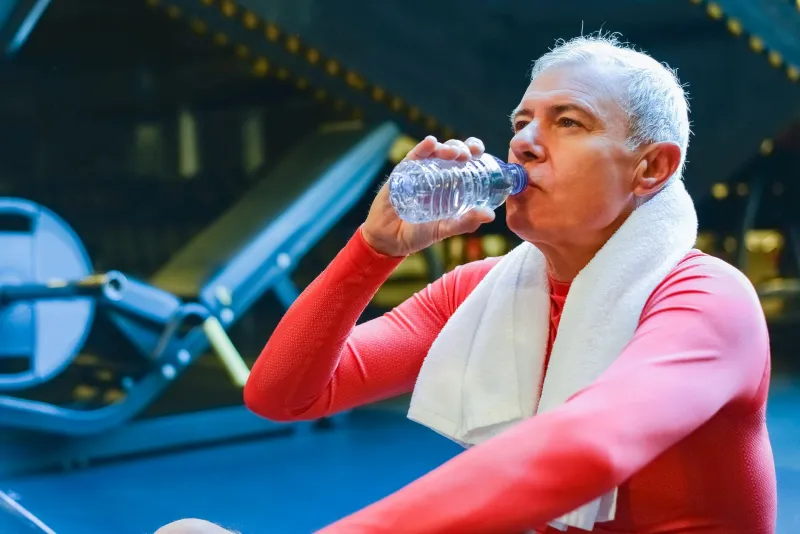
Queensland's climate is not particularly forgiving to the serious exerciser. Whether you are pushing through a pre-dawn swim session at a public pool in Brisbane, completing a long ride through the Sunshine Coast hinterland, or simply maintaining a consistent gym routine in Cairns, staying well hydrated is not optional — it is fundamental to both performance and safety. For many active Queenslanders, tap water is the most accessible and affordable hydration source available. Yet questions persist in fitness communities about whether the fluoride present in that water poses any concern for people with elevated fluid requirements.
The short answer, supported by the weight of current research, is that fluoridated tap water at levels maintained across Queensland's reticulated water systems presents no meaningful risk to healthy, active adults. But the longer answer is worth exploring, because understanding the relationship between fluoride, sweat, electrolytes, and performance can help athletes and fitness enthusiasts make genuinely informed decisions.
How Much Fluoride Is Actually in Queensland's Tap Water?
Across Queensland's fluoridated water supplies, fluoride is maintained at approximately 0.6 to 0.9 milligrams per litre (mg/L), consistent with the Australian Drinking Water Guidelines. This is a deliberately conservative range — set to deliver dental health benefits while remaining well below any threshold associated with adverse health effects. The Australian guideline upper limit for fluoride in drinking water is 1.5 mg/L, itself a substantial buffer below levels that have been associated with harm in international studies conducted in regions with naturally occurring fluoride far exceeding Australian standards.
For context, an athlete consuming three litres of tap water during a demanding training session would be ingesting roughly 1.8 to 2.7 milligrams of fluoride from that source alone — an amount consistent with safe daily intake levels recognised by Australian and international health authorities.
Sweat, Fluid Loss, and the Fluoride Variable
One question that occasionally surfaces in gym and sporting circles is whether increased sweating during exercise meaningfully affects fluoride levels in the body. The concern, loosely stated, is that heavy sweating might either concentrate fluoride in tissues or accelerate its excretion in ways that could affect performance or health.
Research on this topic is reassuring. Fluoride is present in sweat at very low concentrations — typically well below the concentration found in plasma — and the quantities lost through perspiration, even during prolonged exercise in Queensland's heat, are not clinically significant. The kidneys remain the primary route of fluoride excretion, and renal clearance adjusts in response to overall intake. There is no established mechanism by which exercise-induced fluid loss creates a problematic accumulation or depletion of fluoride in healthy individuals.
What does matter during intense exercise, of course, is replacing fluid and electrolytes lost through sweat. Sodium, potassium, and magnesium are the key players in electrolyte balance, and none of these are adversely affected by the fluoride concentrations present in Queensland tap water.
Sports Drinks, Protein Powders, and Cumulative Fluoride Exposure
Active Queenslanders who rely heavily on commercial sports drinks, flavoured recovery beverages, or protein shakes mixed with tap water may be curious about their cumulative fluoride intake from multiple sources. This is a reasonable area of inquiry.
Many commercial sports drinks contain fluoride, derived both from water used in their production and from other ingredients. Studies examining fluoride content in sports drinks have found varying concentrations, with some products — particularly those manufactured in regions using fluoridated water — containing fluoride in the range of 0.3 to 1.0 mg/L. For athletes consuming large volumes of these products alongside fluoridated tap water, total daily fluoride intake may be somewhat higher than for sedentary individuals, though it generally remains within ranges considered safe for adults.
Protein powders and supplement products are less likely to contribute meaningfully to fluoride intake, as their fluoride content tends to be negligible. Individuals with specific concerns about cumulative exposure are encouraged to consult a dietitian or general practitioner who can assess their overall dietary pattern.
Public Pools and Incidental Fluoride Exposure
Swimming is one of Queensland's most popular forms of exercise, and public aquatic centres are a fixture of community life across the state. A question that occasionally arises is whether swimming in public pools — particularly those filled with fluoridated tap water — contributes meaningfully to fluoride exposure through incidental ingestion or skin absorption.
Dermal absorption of fluoride is negligible; the skin is not a significant route of fluoride uptake. Incidental ingestion during swimming does occur, particularly among younger swimmers, but the quantities involved are generally small and well within safe parameters for adults. Competitive swimmers who train for many hours per week may ingest slightly more water than recreational swimmers, but the available evidence does not suggest this creates any meaningful health concern related to fluoride.
It is worth noting that pool water is also treated with disinfectants and other chemicals to maintain hygiene standards — fluoride is typically the least of the chemical considerations in an aquatic environment.
What Exercise Professionals and Sports Dietitians Say
Australian sports dietitians and exercise physiologists, when asked about fluoridated water, generally do not identify it as a variable requiring special management for healthy athletes. The Australian Institute of Sport's hydration guidelines focus on fluid volume, electrolyte replacement, and timing — fluoride content of water is not flagged as a performance or health concern.
For Queensland athletes training in high heat and humidity, the priority is ensuring adequate and timely fluid replacement. Tap water remains one of the most effective, accessible, and cost-efficient options for this purpose. The fluoride it contains is incidental to its hydration function and does not diminish its utility as a training beverage.
Athletes who have specific medical conditions — including certain kidney disorders or unusual metabolic profiles — should seek personalised advice from their treating physician. For the vast majority of active Queenslanders, however, there is no basis for avoiding fluoridated tap water as part of a training regimen.
A Practical Perspective for the Queensland Fitness Community
The fitness community in Queensland, like fitness communities elsewhere, is not immune to the circulation of unverified health claims. Social media platforms and online forums sometimes amplify concerns about fluoride that are not grounded in the peer-reviewed literature reviewed by Australian health authorities. It is worth approaching such claims with the same critical rigour that serious athletes apply to supplement marketing or training fads.
Fluoridated tap water in Queensland has been assessed extensively by bodies including the National Health and Medical Research Council, the Australian Drinking Water Guidelines committee, and the World Health Organisation. None of these organisations have identified fluoride at Australian drinking water concentrations as a risk factor for athletic populations.
For active Queenslanders, the calculus is straightforward: adequate hydration supports performance, recovery, and long-term health. Fluoridated tap water delivers that hydration reliably, at no cost beyond the standard water bill, while also contributing to the dental health of the broader community. That is a combination worth appreciating — particularly in a state where the sun, the heat, and the sporting culture conspire to keep water consumption high all year round.