Renting in Queensland? Here's What Your Tap Water Might Tell You About Your Next Home
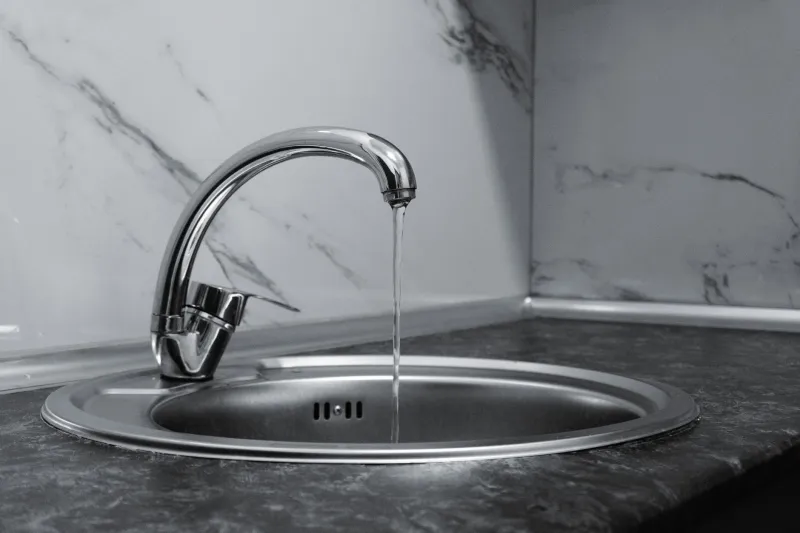
Queensland has one of the most geographically uneven water fluoridation profiles of any Australian state. While major urban centres such as Brisbane, Cairns, Townsville, and the Gold Coast receive fluoridated reticulated water, a considerable number of regional and rural communities do not. For the state's large and mobile rental population — which includes interstate relocators, international arrivals, FIFO workers, and university students moving between towns — the fluoride status of a prospective rental property is a detail that can easily go unnoticed until after the lease is signed.
This article is not intended to advocate for or against fluoridation. Rather, it aims to provide practical, factual guidance for anyone navigating Queensland's rental market with water quality in mind.
Why Fluoridation Status Varies Across Queensland
Under Queensland's Water Fluoridation Act 2008, local governments and water service providers in areas serving populations above a defined threshold are required to fluoridate their reticulated water supply. However, smaller communities — particularly those serviced by local councils in remote or semi-rural areas — may be exempt or subject to different regulatory arrangements.
This means that two rental properties in neighbouring towns can have meaningfully different tap water compositions. A renter moving from Toowoomba (fluoridated) to a smaller township in the Darling Downs region may find themselves in an unfluoridated supply zone without realising it. The reverse is equally possible. For families with young children, individuals managing specific dental health concerns, or people with strong preferences either way, this distinction can carry real practical weight.
Is There a Legal Obligation for Landlords to Disclose Fluoridation Status?
Under Queensland's Residential Tenancies and Rooming Accommodation Act 2008, landlords and property managers are required to provide tenants with accurate information about the property and its services. However, current legislation does not specifically mandate the disclosure of fluoridation status as a standard part of the tenancy agreement or property condition report.
This creates a grey area. Fluoride content is a characteristic of the municipal water supply rather than the property itself, and it changes at the infrastructure level — not the dwelling level. As such, it sits outside the typical scope of landlord disclosure obligations, which tend to focus on the physical condition of the premises.
That said, if a prospective tenant directly asks about the fluoridation status of the water supply, a landlord or agent has a reasonable obligation not to provide misleading information. In practice, most landlords and property managers are unlikely to know the answer off the top of their heads — which is why tenants are well served by conducting their own research before committing to a lease.
How to Check the Fluoridation Status of a Queensland Address
The Queensland Government publishes information on fluoridation status through Queensland Health and the relevant water service provider websites. The most reliable approach is to:
- Identify the water service provider for the address in question. This is often listed on council websites or can be confirmed by contacting the local council directly.
- Check the provider's water quality reports, which are typically published annually and include fluoride levels alongside other water quality parameters.
- Use Queensland Health's fluoridation resources, which include maps and information about which communities receive fluoridated supplies.
- Contact the provider directly if you cannot find the information online. Water utilities are generally responsive to public enquiries about water quality.
It is worth noting that fluoride levels in reticulated supplies are adjusted to sit within the range of 0.6 to 1.1 milligrams per litre, as recommended by the National Health and Medical Research Council (NHMRC). Confirming that a supply is fluoridated will generally tell you that the water falls within this guideline range.
Options for Renters Who Want to Modify Their Fluoride Intake
Some tenants may wish to increase or reduce their fluoride exposure relative to what their tap water provides. There are a few practical options available within the constraints of a rental property.
If You're in an Unfluoridated Area and Want Fluoridated Water
For families with young children in particular, the absence of fluoridated tap water may prompt consideration of alternatives. Fluoride toothpaste and professional fluoride treatments through a dentist remain the most accessible and evidence-supported options for maintaining dental fluoride exposure outside of a fluoridated supply. Consulting a Queensland-registered dentist about fluoride supplements is also an option, particularly for children in their developmental years.
If You Prefer to Reduce Your Fluoride Intake
Some renters, for personal or health-related reasons, prefer to limit their fluoride consumption from drinking water. Reverse osmosis filtration systems are effective at reducing fluoride levels and are available in under-sink formats that can be installed without permanently modifying the property — though tenants should confirm with their landlord or property manager before installation to comply with the lease agreement. Standard carbon-block filters and pitcher-style filters do not reliably reduce fluoride and should not be assumed to do so.
Bottled water is another option, though it carries ongoing cost and environmental considerations.
A Note on Rental Properties with Private Water Supplies
Some Queensland rental properties — particularly rural acreage, hobby farms, and older regional homes — are not connected to a reticulated municipal supply at all. These properties may rely on rainwater tanks, bores, or dam water. In these cases, fluoride is almost certainly absent from the supply, and the water quality more broadly warrants independent testing before consumption. Landlords of such properties should make this clear to prospective tenants, and tenants should ask directly.
Practical Guidance for Property Managers
Property managers fielding enquiries about water fluoridation are not expected to be water quality experts. However, maintaining a basic awareness of the fluoridation status of properties in your portfolio is a straightforward step that can improve the quality of information available to prospective tenants.
For large agencies operating across multiple Queensland regions, a simple internal reference document noting the fluoridation status of each suburb or council area served can reduce the likelihood of tenants receiving inaccurate or incomplete information. The Queensland Government's publicly available resources make compiling such a reference relatively straightforward.
The Broader Picture for Queensland's Mobile Population
Queensland's rental population is among the most geographically mobile in Australia. Students, seasonal workers, healthcare professionals on rotational placements, and families following employment opportunities regularly move between communities with very different fluoridation profiles. For many, the change is invisible — fluoridated water looks, tastes, and smells the same as unfluoridated water.
The practical consequence is that dental health decisions made in one location — such as whether to use fluoride supplements, which toothpaste to choose, or how often to visit the dentist — may need to be revisited after a move. This is particularly relevant for parents managing children's dental health across different supply zones.
Staying informed about the fluoridation status of your water supply is a straightforward part of understanding the health environment of your home, wherever in Queensland that happens to be.
For verified information on fluoridation status in your area, contact your local water service provider or visit Queensland Health's water fluoridation resources. For personalised dental health advice, consult a registered Queensland dentist.