Mapping the Fluoride Landscape: What Queensland Residents Are Actually Drinking by Region
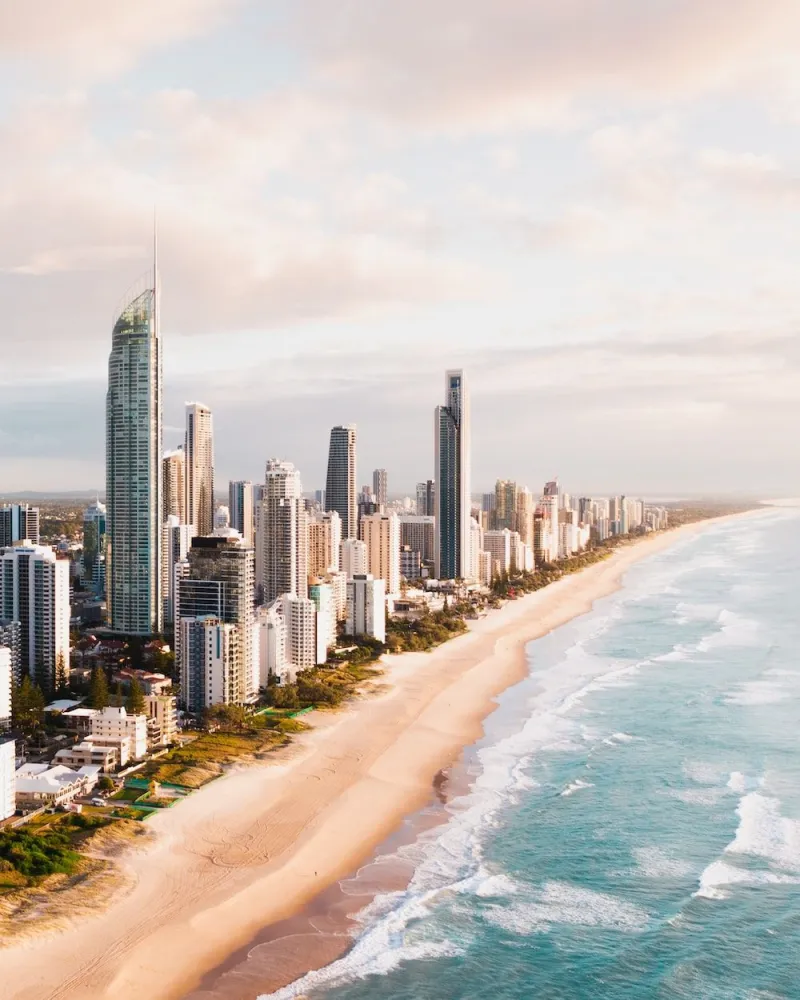
Photo: Queensland water treatment plant aerial view reservoir, via wallpaperbat.com
Queensland's relationship with water fluoridation has never been straightforward. Decades of political debate, a landmark 2008 state government mandate, and the sheer geographic scale of the state have combined to create a patchwork of fluoridated and non-fluoridated communities that can be difficult for ordinary residents to navigate. Whether you live in a high-rise apartment in Brisbane's inner city or on a rural property west of Longreach, the fluoride content of your drinking water is shaped by decisions made at multiple levels of government — and the picture differs markedly from one postcode to the next.
The 2008 Mandate and Its Legacy
Prior to 2008, Queensland was the only Australian state without a systematic fluoridation program. The Water Fluoridation Act 2008 changed that, directing water service providers to fluoridate supplies serving populations above a certain threshold. The legislation brought Queensland into alignment with the rest of the country and with the recommendations of bodies including the National Health and Medical Research Council (NHMRC) and the World Health Organisation (WHO).
Under Australian guidelines, the optimal fluoride concentration for drinking water is set at 0.6 to 1.1 milligrams per litre (mg/L), a range calibrated to provide meaningful dental health benefits while remaining well below levels associated with any adverse health outcomes. Queensland's fluoridated supplies are managed to sit within this band, typically targeting around 0.7 mg/L in line with contemporary best practice.
South-East Queensland: Brisbane, Gold Coast, and the Sunshine Coast
Residents of Greater Brisbane receive fluoridated water supplied by Seqwater, the bulk water authority responsible for south-east Queensland's water grid. The South East Queensland Water Grid draws on multiple catchments and treatment facilities, with fluoride added at the treatment stage before distribution through local council networks. Brisbane City Council, along with the councils of Ipswich, Logan, and Redland, all receive fluoridated water through this system.
The Gold Coast Water and Waste service similarly provides fluoridated drinking water to Gold Coast residents, with concentrations consistently maintained within the recommended range. Sunshine Coast Council, which manages its own water supply through a combination of sources including the Baroon Pocket and Lake Macdonald catchments, also fluoridates its reticulated supply.
For the vast majority of south-east Queensland residents connected to a reticulated water network, the answer is unambiguous: your tap water contains fluoride at the recommended level.
North Queensland: Cairns, Townsville, and Mackay
Moving north, the situation remains largely consistent for major urban centres. Townsville City Council operates a fluoridated water supply drawn primarily from the Ross River Dam system. Cairns Regional Council, servicing one of Queensland's fastest-growing cities, also maintains fluoridation across its reticulated network. Mackay Regional Council similarly fluoridates the supply reaching most urban and suburban properties within its boundaries.
However, it is worth noting that some properties in peri-urban and rural parts of these council areas may not be connected to the reticulated supply at all. Residents relying on rainwater tanks, bores, or other private water sources receive no fluoride through their water supply, regardless of what the council's main network provides.
Regional and Remote Queensland: A More Complex Picture
Beyond the major regional centres, the fluoridation picture becomes considerably more variable. Many smaller councils and Indigenous communities in western and remote Queensland either lack the infrastructure to fluoridate their water or fall below the population threshold that triggers the fluoridation requirement under the 2008 Act.
Towns such as Mount Isa, Emerald, and Roma have had varying fluoridation histories, with some supplies fluoridated and others not, depending on local infrastructure investment and population size. Residents in these communities are encouraged to contact their local council or water provider directly to confirm the current fluoridation status of their supply.
The Queensland Government's Department of Regional Development, Manufacturing and Water maintains records of fluoridation status across the state, and the My Drinking Water Quality Report tool allows residents to look up the specific characteristics of their local supply, including fluoride concentration.
Why Do Levels Vary Even Within Fluoridated Areas?
A common source of confusion is the observation that fluoride test results can differ slightly even within the same council area. This is a normal feature of large, complex water distribution systems. Fluoride is added at treatment plants, and by the time water travels through hundreds of kilometres of pipes to reach the tap, minor dilution effects, blending from multiple sources, or infrastructure-related variables can produce small fluctuations in concentration.
These variations are monitored continuously by water providers and are required to remain within the regulated range. Occasional readings slightly outside the target band do not indicate a systemic problem; they reflect the technical realities of managing large-scale water infrastructure.
Addressing Common Concerns About Queensland's Fluoridation Standards
Some residents question whether Queensland's fluoridation practices meet international standards or whether the levels used locally are higher than those in other countries. The evidence on both counts is reassuring. Australia's target range of 0.6 to 1.1 mg/L is consistent with or lower than the concentrations used in many comparable countries, including the United States (which targets 0.7 mg/L) and the United Kingdom.
Critiques suggesting that fluoridation at these concentrations poses neurological or systemic health risks are not supported by the weight of peer-reviewed evidence reviewed by the NHMRC, whose most recent comprehensive assessment concluded that community water fluoridation at Australian concentrations is safe and effective in reducing dental caries.
How to Check Your Own Supply
For Queensland residents wanting a definitive answer about their own tap water, the most reliable approach is to contact your local council's water services team or check the annual drinking water quality report that providers are required to publish. These reports include fluoride concentration data alongside other water quality parameters and are publicly accessible.
Alternatively, independent water testing laboratories can analyse a sample from your tap for a modest fee, providing a precise reading of fluoride concentration alongside other minerals.
Understanding what is in your drinking water is a reasonable and informed thing to want to know. Queensland's regulatory framework is designed to ensure that fluoridated supplies remain safe, effective, and consistently monitored — but knowing where your supply fits within the broader state picture is a useful starting point for any conversation about fluoride and public health.
